Recycling and Sustainability at Finsbury Park Removals
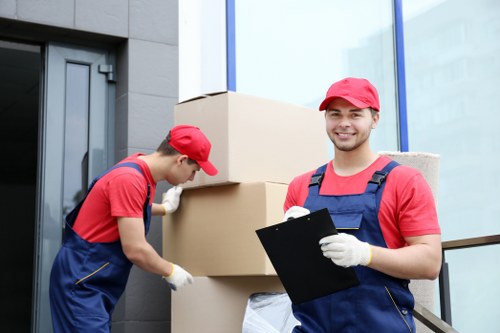 Finsbury Park Removals is committed to making every move cleaner, smarter, and more responsible. Our recycling and sustainability approach is built around reducing waste, reusing wherever possible, and supporting local recovery systems that keep useful materials in circulation. In a busy part of North London, where homes, flats, offices, and shared buildings generate a wide mix of items during relocation, a thoughtful recycling strategy matters. We aim for a minimum recycling rate target of 90% across suitable non-hazardous move-related materials, including cardboard, plastics, wood, textiles, metals, and reusable household goods.
That target is supported by careful sorting at source. Before anything leaves a property, our team separates items that can be reused, donated, or sent to recycling streams. This approach is especially useful in boroughs where waste separation is already an everyday part of local collection systems, with residents accustomed to dividing dry mixed recycling, food waste, and residual rubbish. By aligning our moving-day practices with those broader borough waste habits, we help reduce contamination and improve the chance that collected materials are actually recovered.
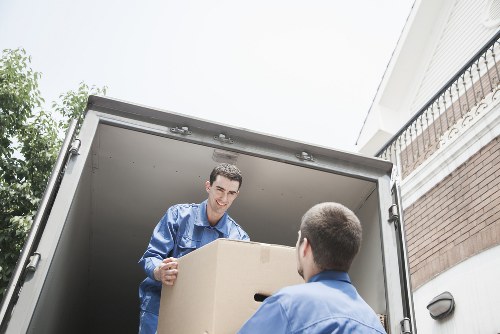 We also focus on responsible handling of bulky items that often arise during a move, such as wardrobes, shelving, office furniture, mattresses, and small electrical goods. Rather than treating everything as general waste, we look for the best destination for each item: reuse, material recovery, or specialist disposal where needed. This is part of our wider sustainable removals service, which prioritises lifecycle thinking over simple removal.
Working with Local Transfer Stations
To support efficient recycling, Finsbury Park Removals uses local transfer stations and authorised waste facilities that serve North London and nearby boroughs. These sites are important links in the chain, allowing mixed recovery loads to be separated further into wood, scrap metal, cardboard, green waste, and other recyclables. Using nearby transfer stations also helps reduce journey distance, which in turn lowers fuel use and supports a more low-carbon moving process.
Local transfer stations are particularly valuable when a move produces a broad mix of items that need fast sorting. For example, flattened packaging can be sent for paper recycling, broken flat-pack furniture may be broken down for wood recovery, and metal fixtures can be directed into scrap streams. In an area with active household recycling participation and local enforcement around correct waste separation, these extra steps help ensure the final disposal route matches community expectations for environmental responsibility.
 Our teams are trained to identify what can be diverted from landfill before loading begins. This includes checking whether items are clean enough for recovery, whether packaging can be separated from furniture, and whether household contents have suitable reuse potential. Such attention to detail supports a more circular approach and helps keep our removals recycling figures strong throughout the year.
Partnerships with Charities and Reuse Organisations
Reuse is often the most sustainable option, and we work with charities and community reuse organisations to give suitable items a second life. Good-quality sofas, tables, chairs, bookshelves, kitchenware, and boxed household items may be passed on when they meet safety and condition standards. These partnerships help local groups access affordable goods while reducing the amount of material that must be processed as waste.
We also look for donation opportunities during office and commercial moves. Desks, filing units, visitor chairs, monitors, and other reusable equipment may be separated for charitable redistribution, depending on condition and demand. This is particularly helpful for businesses updating interiors, as it allows them to clear premises while supporting social value in the wider community. Our eco-conscious removals approach is not limited to recycling alone; it includes extending the usable life of items wherever practical.
When furniture cannot be donated, we still try to recover materials in the most efficient way possible. Timber components are assessed for recycling or energy recovery, metals are extracted where appropriate, and fabrics or mixed materials are managed according to available local facilities. These steps help make our sustainability model practical, transparent, and tailored to the realities of moving in a dense urban area.
Low-Carbon Vans and Smarter Fleet Practices
Transportation is a major part of any removals operation, which is why our fleet includes low-carbon vans designed to reduce emissions without compromising capacity or reliability. By choosing modern vehicles with improved fuel efficiency, better load management, and reduced idle time, we lower the environmental impact of each job. Route planning is equally important: shorter, smarter routes mean less congestion and fewer unnecessary miles across North London roads.
We also manage loading to improve efficiency. Consolidating trips, packing securely to avoid rework, and using appropriately sized vehicles all help reduce the number of journeys needed. In an area where housing density can make access challenging, careful scheduling and efficient fleet use are essential. These practices support our broader goal of delivering sustainable moving services that are both practical and environmentally responsible.
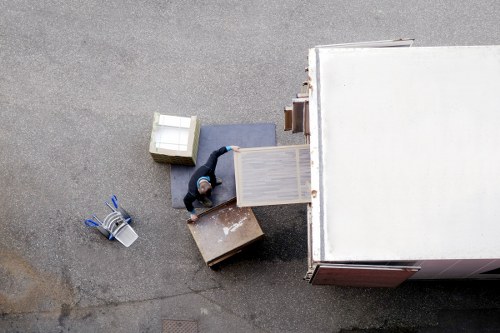 Our sustainability work extends beyond the day of the move. We review the types of materials collected, how they are sorted, and which routes deliver the highest recovery rates. This helps us refine operations, increase diversion from landfill, and support the local circular economy. We also keep an eye on borough-level trends in recycling, such as growing participation in kerbside separation schemes and greater awareness of which materials belong in paper, mixed recycling, or residual waste streams. That local context helps shape how we manage move-generated materials from start to finish.
Committed to Better Recycling Outcomes
 At Finsbury Park Removals, our recycling and sustainability standards are built into the service rather than added as an afterthought. From initial sorting to donation partnerships and transfer station use, every stage is designed to keep recoverable items moving in the right direction. Our recycling percentage target of 90% for suitable non-hazardous materials reflects that commitment and gives us a clear benchmark for continual improvement.
We believe a responsible move should make the least possible impact on the environment while still offering a smooth and efficient experience. By combining local transfer station use, charity partnerships, low-carbon vans, and close attention to borough waste-separation habits, Finsbury Park Removals supports a more circular and lower-waste future for the communities we serve. Whether the job involves a single flat or a full office relocation, sustainability remains at the centre of our approach.