Stroud Green Road house removals parking and access
Posted on 18/06/2026
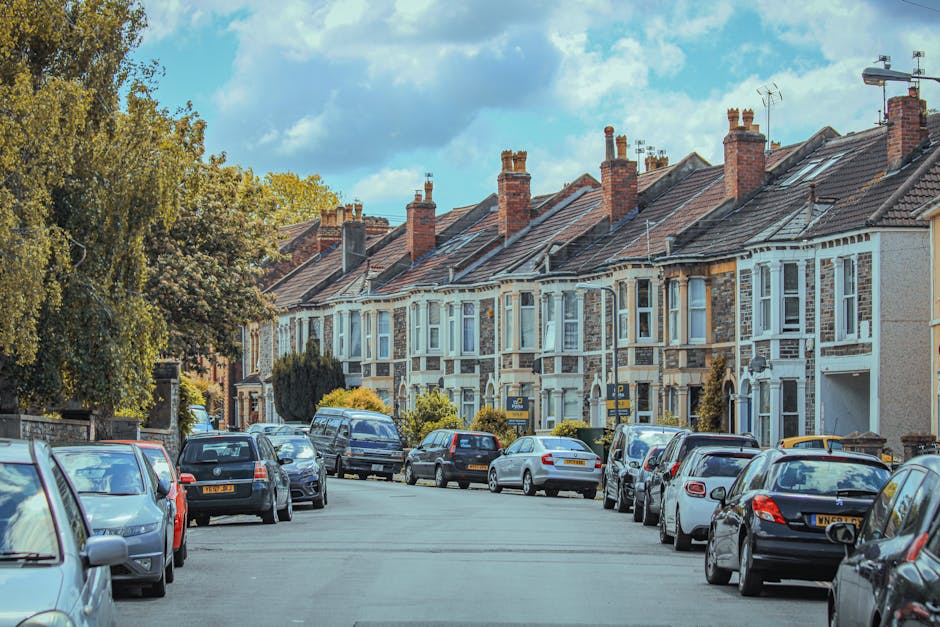
Stroud Green Road House Removals Parking and Access: A Practical Local Guide
Moving house on Stroud Green Road sounds straightforward until the van turns up and real life starts getting in the way. Parking is tight, access can be awkward, front doors sit behind narrow steps or shared hallways, and suddenly a simple move feels like a small logistics puzzle. That is exactly why Stroud Green Road house removals parking and access deserves proper planning, not a last-minute guess.
In this guide, we break down what matters, how the process usually works, what to do before moving day, and how to avoid the common mistakes that cause delays, extra lifting, or avoidable stress. If you are arranging a flat move, a family home move, or a short-notice relocation, you will find practical, local advice that actually helps.
Why Stroud Green Road house removals parking and access Matters
Parking and access are not minor details. They shape the whole moving day. On a busy road like Stroud Green Road, the difference between a smooth move and a frustrating one often comes down to how close the removal van can get, how long it can stay, and whether the team can move items safely from door to vehicle without unnecessary doubling back.
If the van has to park too far away, every box becomes a longer carry. That slows the job, increases manual handling, and can raise the risk of knocks, strain, or the classic "where did we put the kettle?" moment at the worst possible time. To be fair, most people only notice this after the first heavy sofa is already halfway down the road.
Stroud Green Road can also involve the usual London complications: shared entrances, limited curb space, passing traffic, cycles, delivery vehicles, and pedestrians who are in a hurry. Even if the property itself is fairly easy to get in and out of, the street outside may not be. That is why parking and access should be treated as part of the move, not something separate from it.
Expert summary: The closer the parking, the clearer the access, and the better the route from the property to the vehicle, the faster and safer your move is likely to be. Simple as that. Or nearly simple, anyway.
Good planning here also supports other parts of the move. If you are still deciding what type of mover is appropriate, it may help to read this guide to man and van hire and what to do before hiring removal services. Those pieces fit neatly with the access questions people usually have once they start comparing options.
How Stroud Green Road house removals parking and access Works
In practical terms, the process starts before moving day. A removals team or a well-prepared homeowner will look at three things: where the vehicle can stop, how items will be carried, and whether any part of the property needs extra care. You do not need fancy jargon for this. You just need a clear plan.
First, assess the street. Is there unrestricted parking nearby? Are there markings, loading restrictions, resident permit areas, or time-based limits? Is the road narrow at school-run hours or during commuter peaks? You may not need a perfect answer to every question, but you do need enough information to avoid a bad surprise at 8:00 in the morning.
Second, assess the property. Are there stairs? Is there a lift? Are there corners that make large furniture awkward to turn? Does the front door open fully? Are there coded gates or shared entrances that might slow the team down if nobody is ready with access details? These details sound small. They really are not.
Third, match the vehicle to the job. A larger van may carry more in one trip, but it also needs more space to park and manoeuvre. A smaller vehicle can be easier to place on a busy road, but may require more trips. The right choice depends on the exact address, the volume of items, and whether anything bulky needs special handling. If you are weighing that up, man and van in Finsbury Park is a useful related read, especially for lighter or more flexible moves.
For many residents, the smartest approach is to combine parking planning with packing discipline. That means boxes are ready, fragile items are labelled, and bulky pieces are either dismantled or clearly identified in advance. If you want a stronger packing process too, see the key to efficient packing and efficient furniture moving tips.
Key Benefits and Practical Advantages
Planning parking and access properly is one of those jobs that pays back in ways people only notice later. Here are the main benefits.
- Less carrying distance: The closer the van, the fewer steps your belongings travel by hand.
- Faster loading and unloading: Small improvements in access can save a surprising amount of time.
- Lower damage risk: Fewer tight turns, fewer trips, fewer chances to clip a wall or door frame.
- Reduced physical strain: This matters more than most people expect, especially with furniture and white goods.
- Better schedule control: A good parking plan helps avoid waiting around while a driver circles the street. Not ideal.
- Less stress for everyone: Calm moves usually come from practical preparation, not luck.
There is also a financial advantage, though it is often indirect. Good access planning can reduce wasted time and reduce the need for extra trips. It can also help you choose the right vehicle size first time, rather than underestimating the move and improvising later.
If your move is part of a bigger house-to-house transition, that planning becomes even more valuable. A useful companion read is alleviating stress during the process of moving between houses. It covers the human side of moving, which honestly matters just as much as the van logistics.
And for people who care about moving with less waste, moving home the environmentally friendly way is also worth a look. Efficient access can support greener moving too, because fewer unnecessary trips usually means less fuel use. Not glamorous, but practical.
Who This Is For and When It Makes Sense
This topic matters to almost anyone moving in or around Stroud Green Road, but some people will feel the pain more than others.
- Flat movers: If you are in a first- or second-floor flat with stairs, access planning becomes essential.
- Families in terraced homes: Front steps, narrow hallways, and furniture that has been assembled in place can all slow things down.
- Students and sharers: These moves are often shorter, but access can still be tight, especially with awkward furniture and limited parking.
- Office or mixed-use movers: If the property is part residential, part commercial, access rules can be a little messy.
- Anyone moving bulky items: Sofas, wardrobes, beds, pianos, and appliances need more space and more care.
This is also the right planning area if you are moving at a busy time of day, on a weekend with local activity, or during a period when the road is already congested. Truth be told, some people only realise how tight access is after they try to reverse a van into a gap that looked generous on paper. It rarely is.
If your move is specialised, you may want to read more about piano removals or look at furniture removals in Finsbury Park for extra context. Special items change access needs quite a lot.
Step-by-Step Guidance
Here is the simplest way to handle parking and access for a Stroud Green Road move without turning the day into a scramble.
- Walk the route from door to vehicle. Stand at the front door, then walk to where the van is likely to park. Notice steps, kerbs, railings, narrow gates, and places where two people cannot pass comfortably.
- Check parking conditions early. Do not assume there will be space just because you have seen an empty bay at lunchtime. Street availability changes quickly.
- Measure large furniture. Wardrobes and sofas are the usual troublemakers. If they will not fit through a doorway or around a stair turn, dismantle them first.
- Decide who is handling the first load. Keep the most accessible items near the exit so loading begins fast.
- Keep the access route clear. Shoes, bags, bins, plant pots, and hallway clutter all become obstacles on moving day.
- Confirm arrival timing. If the van needs a specific slot for parking, be realistic about when that slot will actually be available.
- Prepare a fallback plan. If the nearest space is unavailable, decide where the vehicle can stop instead.
A simple example: if your front entrance is narrow and the nearest legal parking bay is a short walk away, it may be worth loading smaller items first while one person keeps an eye on the road space. A tiny adjustment, but it can keep the whole move moving.
For more packing and loading detail, loading trucks and moving vans better is useful, as is an effective packing guide.
Expert Tips for Better Results
These are the small things that often make the biggest difference on a cramped London street.
- Start with the access, not the boxes. If the parking plan is weak, even perfect packing will not save the day.
- Keep one person focused on the van. On busy roads, that person can help with timing, directions, and safety.
- Use clear labels. If boxes are grouped by room, unloading becomes much easier once the van is parked.
- Disassemble what you can. Flat-pack beds and modular furniture are much easier to handle in awkward homes.
- Avoid peak congestion where possible. Early starts often make access much easier, especially if the road fills up later.
- Keep valuables and essentials separate. This saves time and avoids frantic searching once you arrive.
- Use protective materials generously. A few extra blankets or wraps can prevent bruised corners and chipped paint.
One small but valuable habit: photograph the parking spot and the route to the front door before the move. It sounds a bit fussy, maybe even overcautious, but it helps when you need to brief the mover or compare access options later.
If you are still deciding between a larger removal company and a smaller, more flexible setup, choosing a man with a van in N4 is a sensible read. And if you want to reduce the emotional pressure too, trusting reliable movers explains why dependable support matters more than people first think.
Common Mistakes to Avoid
Most access problems are not dramatic failures. They are usually small assumptions that stack up. That is the frustrating bit.
- Assuming parking will be easy: It often is not, especially on a road with regular traffic.
- Leaving parking checks until the last minute: This can cause delays and stress before the first box is even moved.
- Ignoring stair width or doorway clearance: A sofa that cannot turn the corner becomes an instant headache.
- Forgetting about neighbours and shared access: Communal halls, intercoms, and shared gates can slow things down if nobody is ready.
- Using the wrong vehicle size: Bigger is not always better if the road cannot accommodate it.
- Not preparing the internal route: A cluttered hallway can be just as much of a problem as poor street parking.
There is also a common emotional mistake: people worry so much about the van outside that they forget about the move inside. Yet both matter. If you have ever watched someone manoeuvre a mattress around a lamp, a mirror, and a stair rail all at once, you will know exactly what I mean.
If your move is connected to storage, storage in London when moving house can help you think through interim options. And for longer transitions, hire storage space when moving long distance is another sensible reference.
Tools, Resources and Recommendations
You do not need an arsenal of specialist equipment, but a few practical tools make a big difference.
- Measuring tape: Useful for doors, hallways, furniture, and vehicle clearances.
- Labels and markers: Keep rooms and priority items clearly identified.
- Furniture blankets and wrapping: These protect items when the route is tight.
- Door protectors or corner guards: Handy in narrow hallways or older properties.
- Trolley or sack truck: Good for boxes and heavier items if the route allows it.
- Phone notes or photos: Great for recording parking options, access instructions, and arrival details.
On the planning side, it helps to use a realistic moving checklist. If you are compiling one, this top ten for movers is a neat reminder of the basics, while learning how to deal with N4 home removals gives you more local context.
For broader service comparison, you may also find removal companies in Finsbury Park and removal services in Finsbury Park useful when building a shortlist. If you prefer a more compact option, the page on removal van services is also relevant to access-heavy streets.
Law, Compliance, Standards and Best Practice
Parking and access for a home move are usually guided by local conditions, property rules, and sensible operational practice rather than one single rulebook. That said, a good move should respect public spaces, neighbours, and any parking restrictions that apply on the street.
Best practice generally means using legal parking only, avoiding obstruction, and planning the load so the vehicle does not block traffic or pavement access for longer than necessary. It also means following the access arrangements of the building itself. If a property manager, landlord, or residents' group provides instructions, those should be taken seriously. No one likes a moving van sitting awkwardly in a shared entrance, and nobody enjoys being the person who caused it.
Health and safety matters too. Carrying heavy items across a longer distance increases strain and trip risk, which is why efficient parking is not just a convenience issue. It is part of safe moving practice. For a useful overview of this side of the job, see health and safety policy and insurance and safety.
If your move involves time-sensitive access or a tight handover, it is wise to be clear about expectations in advance. Written notes, arrival windows, and access instructions can help everyone stay on the same page. Nothing dramatic. Just orderly, which is underrated.
Options, Methods, or Comparison Table
There is more than one way to handle a move on Stroud Green Road. The best method depends on property layout, parking availability, volume, and how much help you want on the day.
| Approach | Best for | Strengths | Limitations |
|---|---|---|---|
| Large removal van | Full-house moves with more furniture | Fewer trips, efficient if parking is workable | Needs more curb space and easier manoeuvring |
| Smaller van | Light-to-medium moves, tight streets | Easier to park, more flexible on narrow roads | May require multiple runs if the load is heavy |
| Man and van | Flats, smaller moves, short notice jobs | Flexible, practical, often easier in busy areas | Less capacity than a full removal setup |
| Professional full-service removals | Larger or more complex home moves | More support, better for heavy items and access planning | May be more than some smaller moves actually need |
If your household move is fairly compact, the man and van route can be a sensible fit. If it is a bigger family relocation with awkward access, a fuller removals setup is often the calmer option. That is where a page like home removals in Finsbury Park can help frame the decision.
There is also a useful middle ground for flats and smaller properties, especially if timing matters. See flat removals in Finsbury Park and same-day removals for more context on speed and flexibility.
Case Study or Real-World Example
Picture a typical move from a first-floor flat on or near Stroud Green Road. The resident has a sofa, a bed frame, two wardrobes, a dining table, and around twenty boxes. On paper, it looks like a standard half-day job. In reality, the entrance is shared, the stairwell turns sharply, and the nearest legal parking spot is not directly outside the building.
What happens when the move is planned properly? The main furniture is dismantled the day before, boxes are grouped by room, and the mover is given clear access notes. The van parks in the closest legal space available, and two people keep the route clear while items are carried in a steady rhythm. There is still some walking involved, of course, but it is organised walking rather than frantic circling.
What happens when it is not planned? The vehicle turns up, no one is sure where it can park, a wardrobe cannot fit through the door in one piece, and suddenly everyone is standing around for ten minutes saying, "We can probably make it work." That line has caused more moving stress than almost anything else. Probably.
This sort of job is exactly why some people choose a more flexible provider, while others prefer a larger team. If you are comparing approaches, what you need to do before hiring N4 removal services offers a useful bridge between planning and booking.
Practical Checklist
Use this checklist a day or two before moving.
- Confirm where the vehicle can legally stop.
- Check if there are time restrictions, permits, or loading considerations.
- Measure large furniture and key doorways.
- Clear halls, stairs, and entryways.
- Decide which items need dismantling.
- Prepare labels for each box and room.
- Set aside essentials for immediate access.
- Share access codes, buzzers, or building instructions with the mover.
- Keep valuables separate and easy to identify.
- Have a backup parking option in mind.
Quick practical takeaway: if you can describe the route from van to front door in one clear minute, you are probably in good shape. If you cannot, the move still needs planning. That is all.
For additional move-day organisation, pack in, pack out and arranging your furniture the easy way are both practical follow-ups.
Get a free quote today and see how much you can save.
Conclusion
Stroud Green Road house removals parking and access is one of those subjects that looks niche until you are the person moving boxes down the front steps at 9:15 in the morning. Then it becomes the whole story. The good news is that a little advance planning goes a long way.
Think about the parking spot, the path to the van, the size of your furniture, and the realities of the street itself. Keep the route clear, stay realistic about time, and choose a moving setup that matches the property rather than forcing the property to match the move. That approach saves energy, time, and a fair bit of swearing under your breath.
Handled properly, the move feels calmer, safer, and much more controlled. And that is the real goal, really: getting from one address to the next without the day swallowing you whole. A tidy move is a good feeling. A very good feeling.